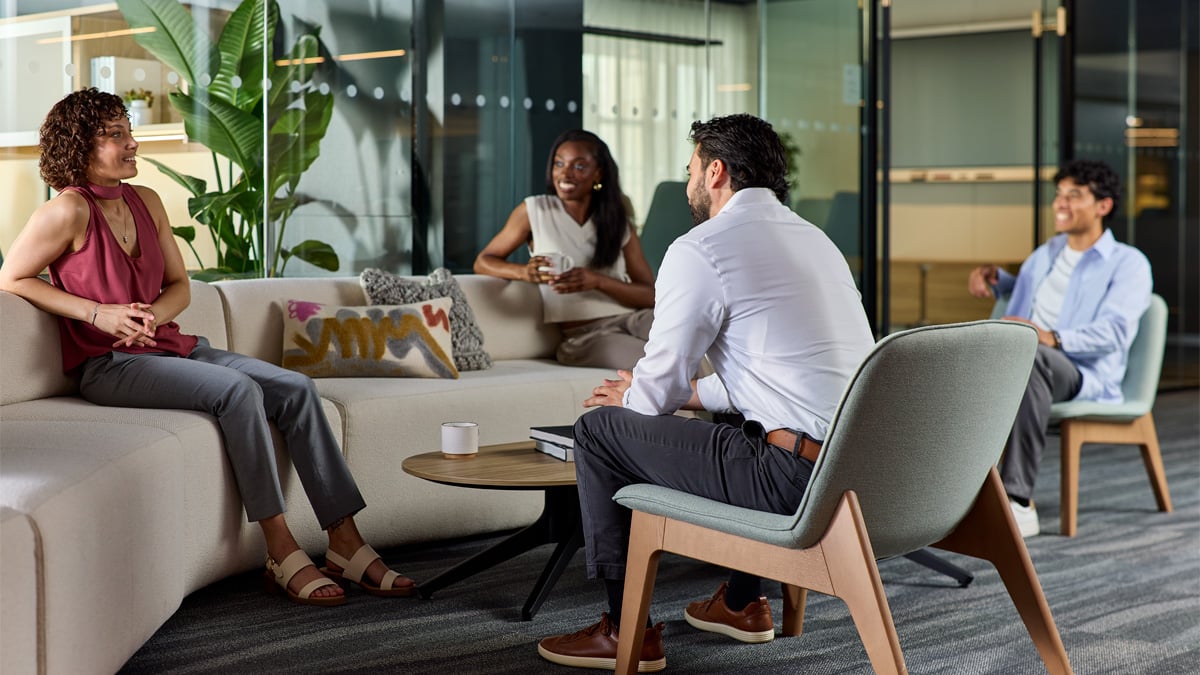
See how human-centered design shaped learning and workplace environments in 2025, reflecting a year focused on people, not just spaces.
Throughout the canvas of 2025, the design industry extended beyond expansion or output. More than ever, there was a shared understanding that design should move people—not just the spaces they occupy.
From how a chair supports a student’s ability to focus, to how a workplace encourages meaningful connection, to how learning environments foster belonging, design decisions are increasingly centered on the human experience. For interior designers, architects, and furniture specifiers, this shift reinforced a familiar truth: environments perform best when they’re shaped around the people who use them.
That belief guided our design priorities at KI, the conversations we joined, and the communities we supported throughout the year. Together, these moments reveal how human-centered design is shaping learning and workplace environments and guiding more intentional decisions in the year ahead.
Design Recognition Rooted in Purpose
Few products reflected this human-centered approach more clearly than Cogni.
Designed to support cognitive movement and engagement, Cogni earned Best of NeoCon Silver, the EDspaces Product Innovation Award, and an Interior Design magazine Best of Year Finalist recognition, an honor it shared with Clamber.
While industry awards matter, their deeper value lies in what they signal to the design community: intentional design can actively support how people think, move, and connect. As learning and work environments continue to evolve, solutions that respond to cognitive and physical needs are no longer optional; they’re expected.


Products That Respond to How People Actually Work and Learn
Across education and workplace environments, 2025 continued to highlight a shift toward solutions that adapt to real human behavior, rather than forcing users into rigid layouts.
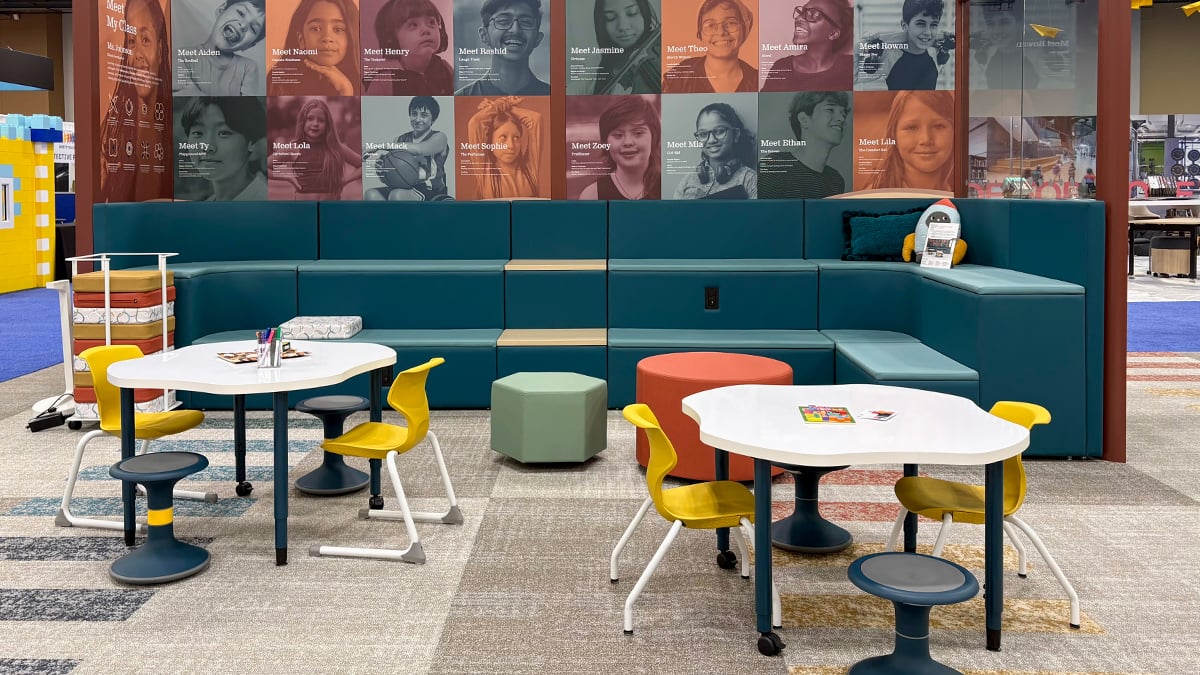
In learning spaces, Cogni and Clamber supported movement, choice, and flexibility—helping designers create collaborative environments without sacrificing focus. Cascha followed with a softer approach, offering casual gathering spaces that feel natural and welcoming instead of prescribed.
Workplace solutions reflected similar priorities. Civara and Zentori expanded our task seating options with a balance of ergonomic performance with refined aesthetics, while Passel introduced a light-in-scale desking approach that supports both individual focus and team collaboration.
Alongside new introductions, trusted collections such as Signia, Limelite, Ruckus, Stout, and Tributaire continued to evolve, offering designers greater flexibility in materials, configurations, and applications.
Tributaire, in particular, took a meaningful step forward with the addition of solid wood tops through our partnership with Purposeful Design, along with the introduction of the Y-Leg table. These updates bring warmth, craft, and intention into shared spaces—an increasingly important consideration as designers seek to create environments that feel both functional and human.


Education as a Catalyst for Impact
Education remains a powerful driver of design innovation, and in 2025, that commitment showed up in tangible ways.
We celebrated our fourth annual Classroom Furniture Giveaway, awarding $50,000 in furnishings to four educators whose passion and creativity continue to inspire their school communities—and us. Earlier this year, we completed makeovers for the winners of our third annual giveaway, and we saw spaces transform through intentional design shaped by the real needs of students and teachers.
For designers working in K-12 and higher education, these projects reinforce a recurring insight: when environments are designed with empathy, they can spark engagement, collaboration, and a lasting sense of belonging—an impact that extends far beyond the classroom.


Research That Connects Insight to Action
Behind every product and program was a continued investment in research and insight in 2025.
This work was formalized through the introduction of our eight Performance Design Considerations, research-backed principles that explain how design influences student success.
Sharing these insights at EDspaces enabled deeper conversations beyond aesthetics, focusing on measurable outcomes and real-world impact. Our Campus to Corporate research extended this thinking further, exploring how higher education environments can better prepare students for the realities of the workplace.
As esports continued to gain momentum, new guidance explored how competitive gaming spaces can support career pathways, teamwork, and skill development, bridging education, technology, and future opportunity. For designers, this research offers practical frameworks for translating insight into environments that perform.


Stories That Brought Design to Life
Some of our most meaningful moments of the year happened beyond showrooms and trade floors.
In Laurel, Mississippi, KI products played a role in transforming a Victorian home into a K–12 school on HGTV’s Home Town—a reminder that design can help reimagine spaces in unexpected, deeply human ways.
We also shared stories of what’s possible when design supports people at every stage of learning, healing, gathering, and growing, from the Brown County East Branch Library, to Cornerstone Clinic for Women, and Upper Merion Area High School.
The opening of our Phoenix showroom created a new regional space for collaboration and exploration, offering designers hands-on access to solutions and materials.
And in Green Bay, an expansion of our manufacturing facility reinforced a commitment to domestic production and contributed to broader conversations about the future of furniture manufacturing.


Conversations That Shape the Future of Design
Industry events remained essential spaces for listening, learning, and collaboration. We marked our final NeoCon at The Mart in 2025, closing a chapter defined by decades of design evolution and partnership.
At Healthcare Design Expo, conversations deepened around patient-centered environments, while EDspaces offered opportunities to engage directly with educators, architects, and administrators around a central question: how can design better support people?
Each event reinforced the importance of participating in meaningful dialogue—not simply showcasing solutions, but contributing to conversations that shape the future of learning, work, and care environments.


Sustainability as an Ongoing Responsibility
Sustainability continued to be embedded across our operations, product development, and material choices—not as a standalone initiative, but as an ongoing responsibility.
Advancements in waste reduction, responsible sourcing, and transparency remained guided by long-term environmental commitments. Receiving the 2025 Green Masters designation, along with three Top Performer Awards, affirmed steady progress toward creating products and processes that respect both people and the planet.


Shaping Design in the Year Ahead
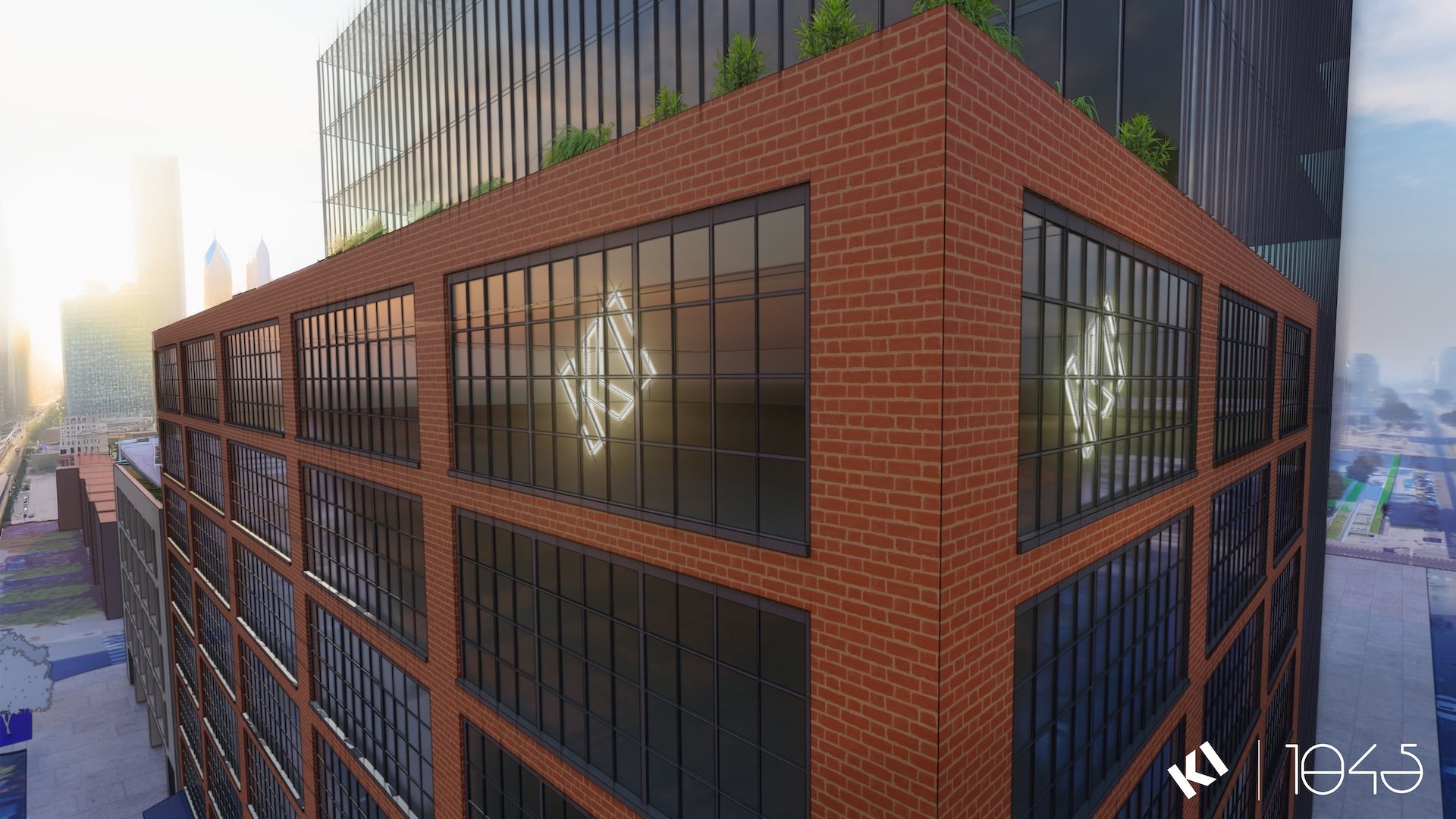
As 2025 comes to a close, we’re preparing for a new chapter with our upcoming move to Chicago’s Fulton Market district. Designed to inspire connection and creativity, the new showroom will reflect what designers increasingly seek today: thoughtful design, craftsmanship, and environments that support the human experience.
To our customers, educators, designers, and partners—thank you for your collaboration and trust. Your work continues to shape the spaces where people learn, work, and connect.
As we move into 2026, the focus remains clear: designing environments that move people, support their goals, and create lasting impact.
Stay connected with us on LinkedIn, Instagram, and Facebook, and subscribe to our newsletter for research, insights, and inspiration that will support your work throughout the year ahead.