Explore how human-centered seating designed for natural movement can support comfort, adaptability, and performance without asking the body to stay still.
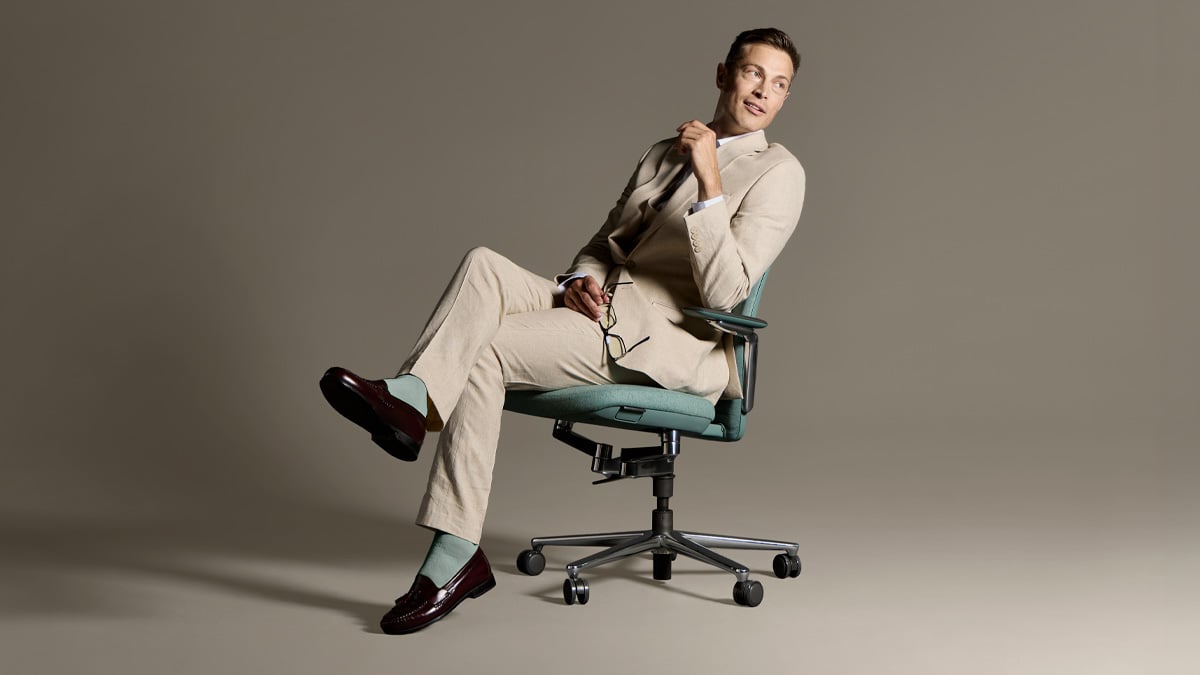
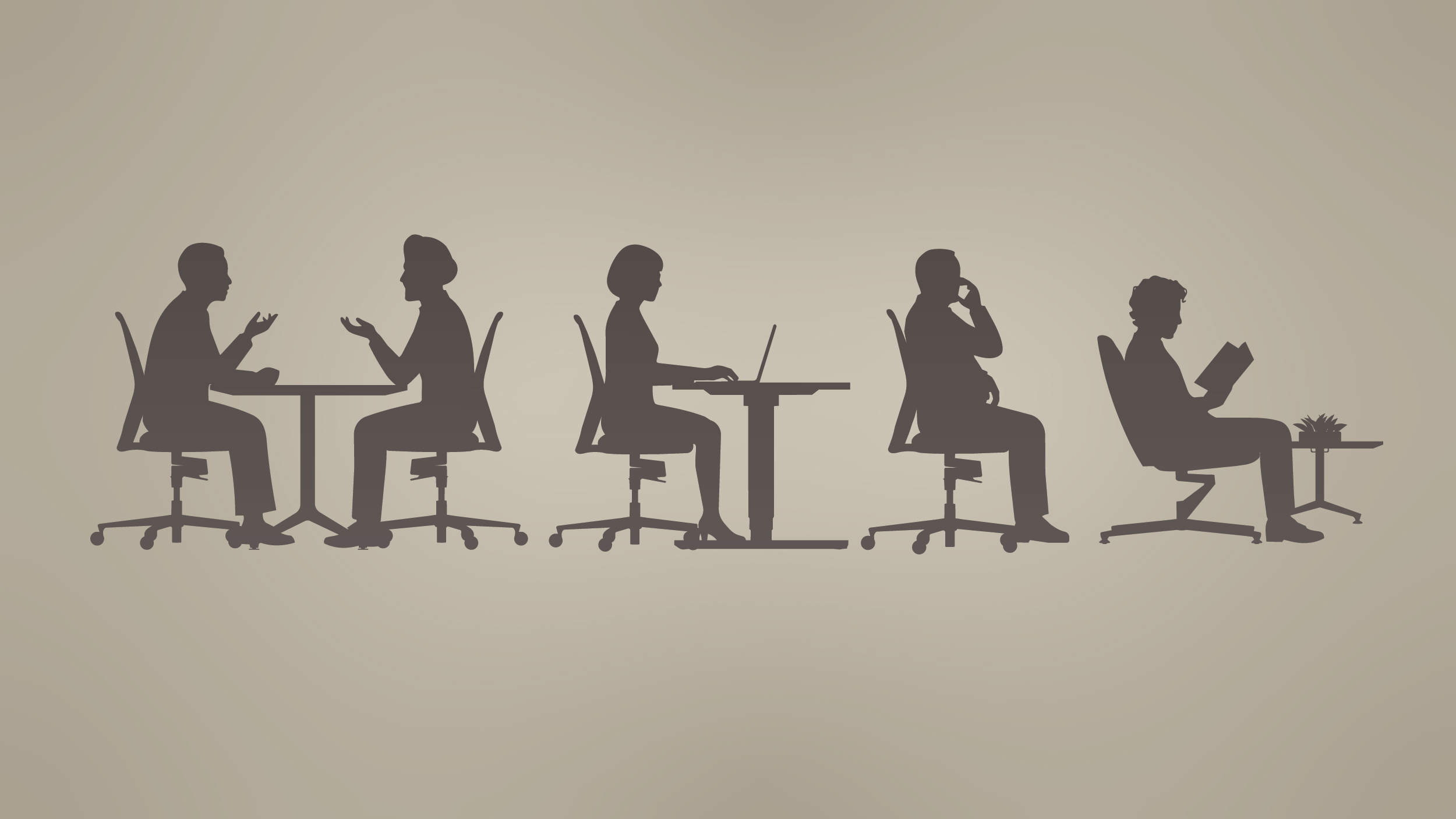
Walk through almost any workplace and you'll notice that people aren’t actually sitting still. They're shifting forward during conversations, leaning back to think, crossing and uncrossing their legs, perching on the edge of their seats, stretching between meetings, and standing for a moment before sitting back down.
The movement is constant, yet the furniture beneath them has largely been designed around the assumption that the ideal chair helps people find one good posture and hold it for as long as possible.
We've come to think of these moments as the cost of sitting. But what if they're not? What if we've simply accepted discomfort because we've never expected our chairs to do anything different?
Why Does Sitting Become Uncomfortable?
Being uncomfortable while sitting is so common that it's become part of the routine, leading to comments like:
- "I just need to stretch."
- "My back always gets stiff after long meetings."
- "This chair is fine…for about an hour."
- “I need to stand up for a minute.”
Most of us don't question the chair. We question ourselves. We assume we sat too long or didn't maintain good enough posture. Over time, discomfort has become something we associate with sitting itself rather than the way we've designed the experience of sitting.
Maybe sitting isn’t the problem. Maybe sitting still is the problem.
Why Movement Matters for Comfortable Sitting
Today's ergonomics research is changing the way we define comfort. Rather than viewing movement as something that interrupts good posture, it increasingly recognizes movement as an essential part of comfortable sitting.
For decades, ergonomics focused on helping people achieve the "right" posture. The thinking was straightforward: If people sat correctly, they'd be more comfortable. But even when we think we're sitting perfectly still, our bodies are anything but static. We instinctively shift our weight, adjust our posture, reposition our feet, and make countless micromovements throughout the day to maintain balance, redistribute pressure, and respond to changing physical demands.
Researchers refer to this as postural variability—the body's natural tendency to continuously change positions rather than remain fixed in one posture. Cornell University's ergonomics program summarizes the idea in one memorable sentence:
"The best posture is the next posture."
It's a remarkably simple statement that reflects a significant shift in thinking. Rather than searching for one ideal sitting position, researchers increasingly recognize that movement itself is part of comfort.
Is There a Perfect Sitting Posture?
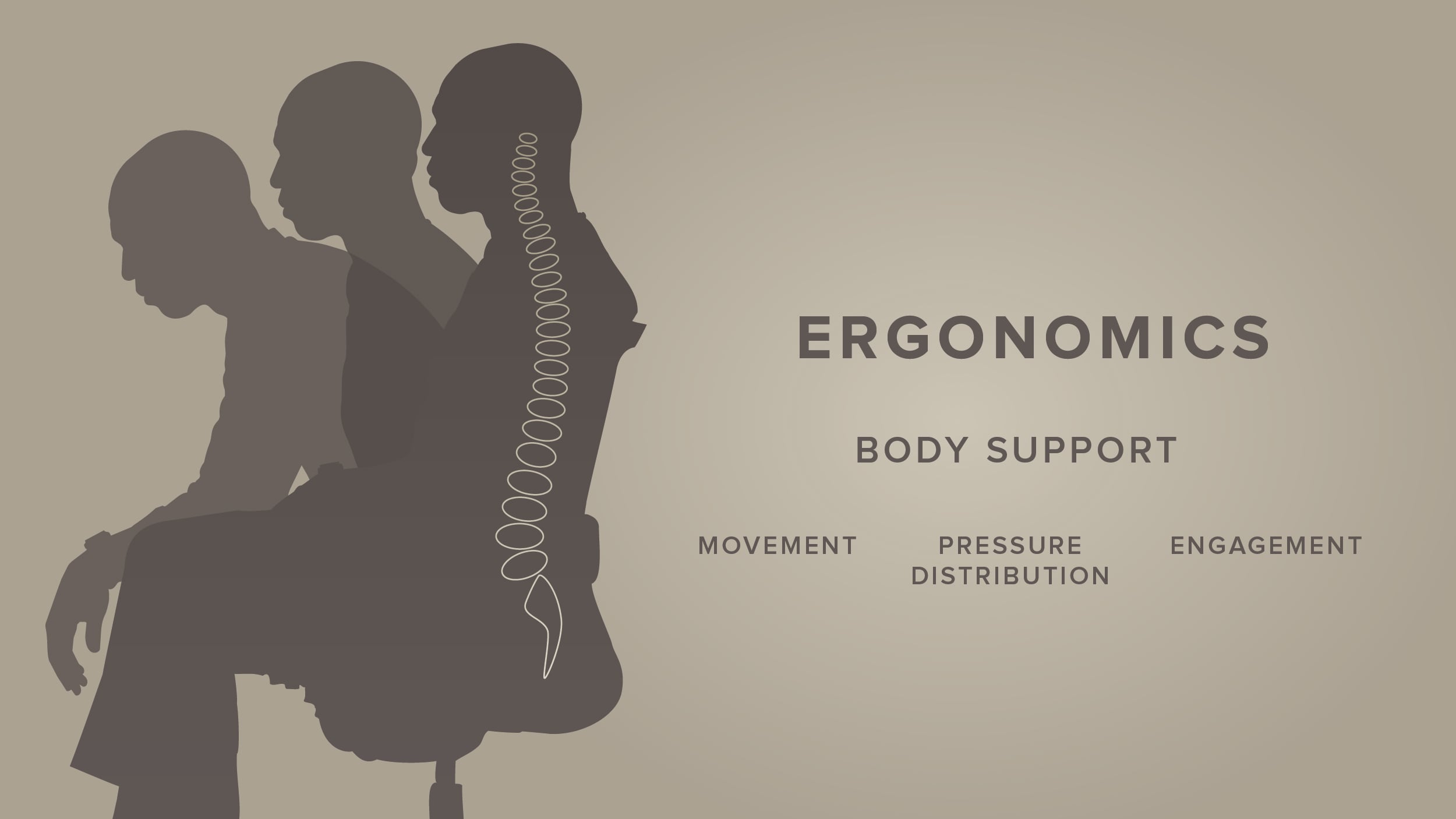
There may not be one universally perfect posture for every person, task, and moment. Instead, the goal is to avoid remaining in the same position for prolonged periods.
Guidance from organizations like the National Institute for Occupational Safety and Health (NIOSH) and the Occupational Safety and Health Administration (OSHA) has long encouraged reducing prolonged static postures in the workplace. Remaining in one position for extended periods is associated with muscle fatigue, stiffness, concentrated pressure, and growing discomfort not because sitting itself is inherently problematic, but because our bodies weren't designed to remain motionless.
More recently, Professor Peter O'Sullivan of Curtin University and other researchers have challenged the idea that there's one universally "correct" posture. Their work suggests people naturally move between a variety of positions throughout the day and that this variability may be more representative of healthy sitting than rigidly maintaining one position.
That doesn't mean posture no longer matters. It means posture and movement work together. For architects and designers, that's an important distinction. If movement is part of human behavior, shouldn't the environments we create be designed to support it?
What Makes a Chair Comfortable?
Comfort isn't simply about supporting the body. It's about supporting the body's natural tendency to move.
When you think about comfortable seating, you might picture thicker cushions, softer foam, or more adjustment levers. Those features have value, but they don't tell the entire story.
Comfortable seating can support several natural behaviors throughout the workday:
- Leaning forward to engage in conversation or focused work.
- Reclining during reflection, reading, or a change of pace.
- Shifting weight to redistribute pressure and change position.
- Making small postural adjustments without interrupting the task.
- Transitioning between activities as work moves from focus to collaboration.
Movement isn’t necessarily a distraction from work. It's part of how people interact with their environment throughout the day.
This video highlights the evolution of seating design over time and why seating should support how people sit.
How Should Seating Support Natural Movement?
Maybe we've been asking the wrong questions. Instead of asking how soft a chair feels, what if we asked how well it responds? Instead of evaluating how long someone can sit still, what if we measured how naturally the chair moves with the person using it?
That perspective changes what we expect a chair to do. It becomes more than a place to sit. It becomes an active participant in supporting the way people naturally work, think, collaborate, and recover throughout the day.
For architects and designers, this challenges a familiar question. Instead of asking how people should sit, perhaps we should ask how people naturally behave.
People lean in during collaboration. They recline while reflecting. They shift during focused work. They settle into lounge spaces to recharge before returning to the task at hand. Think about how often you catch yourself bouncing a leg or fidgeting through a long meeting. Movement isn't a distraction from work. It's part of how people work. Designing for human performance begins with recognizing that reality.
How Can Seating Enhance Human Performance?
If movement is essential to comfort, it raises a natural design question: What would a chair look like if it were built to support that movement instead of restricting it? At KI, that question reflects a broader belief that designing for human performance begins with designing for how people naturally move.
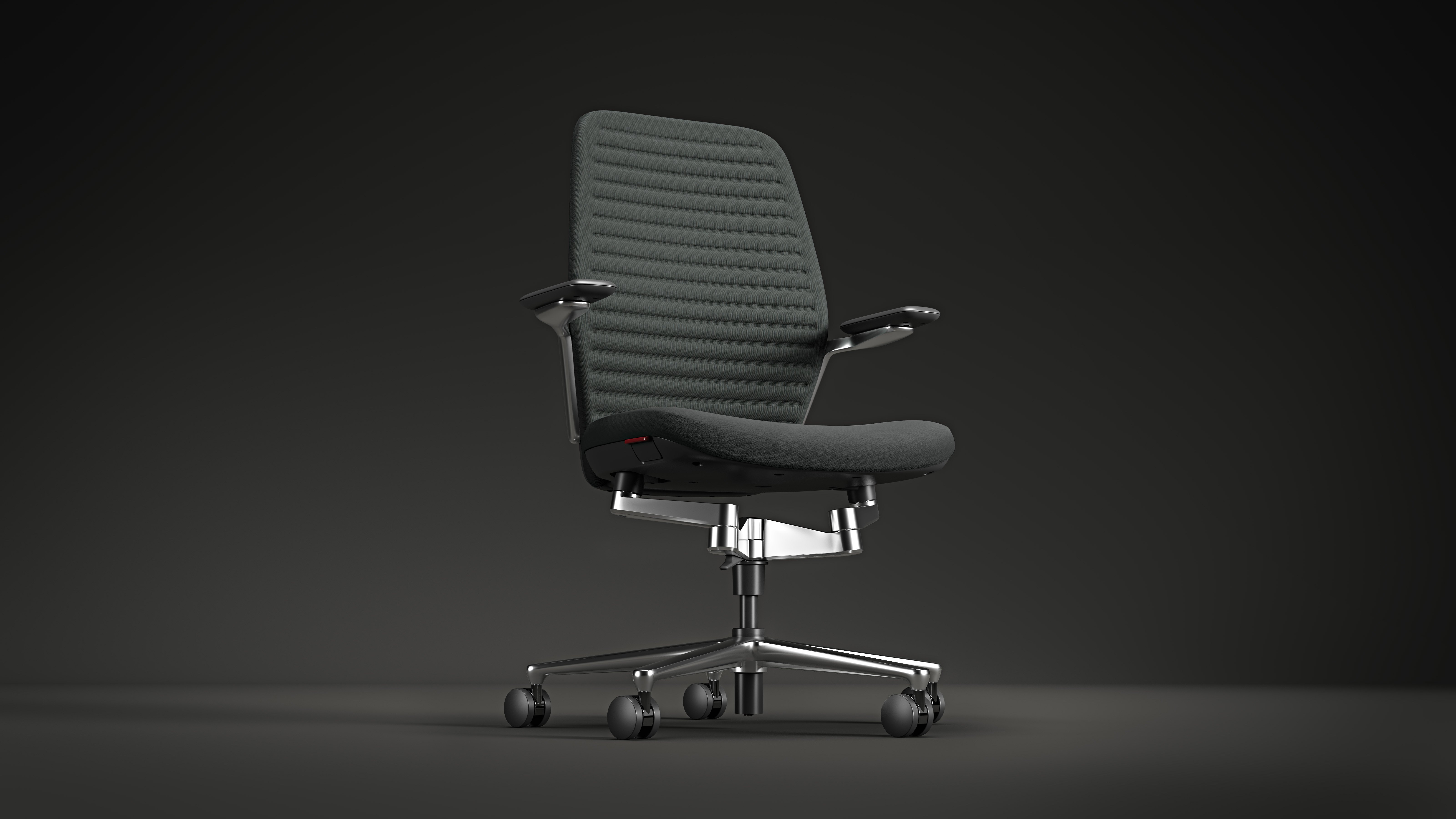
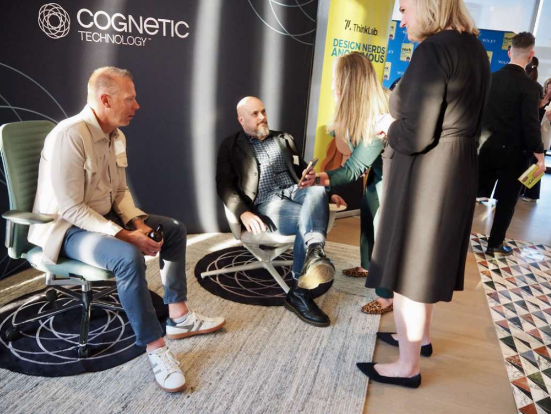
The Kiaura Collection™, built with Cognetic Technology™, designed and invented by Aaron DeJule, was developed with that philosophy in mind. Rather than encouraging people to remain still, the patented technology responds to the body's continuous micromovements, supporting natural balance, intuitive repositioning, and dynamic sitting throughout the day.
DeJule invented Cognetic Technology after a car accident left him unable to sit without pain. He spent the next few years searching for a solution, and his breakthrough came while watching his daughter sit in one of his early prototypes. He realized seating should move naturally with the body rather than force the body to adapt to the chair.


What Does the Research Say About Movement and Performance?
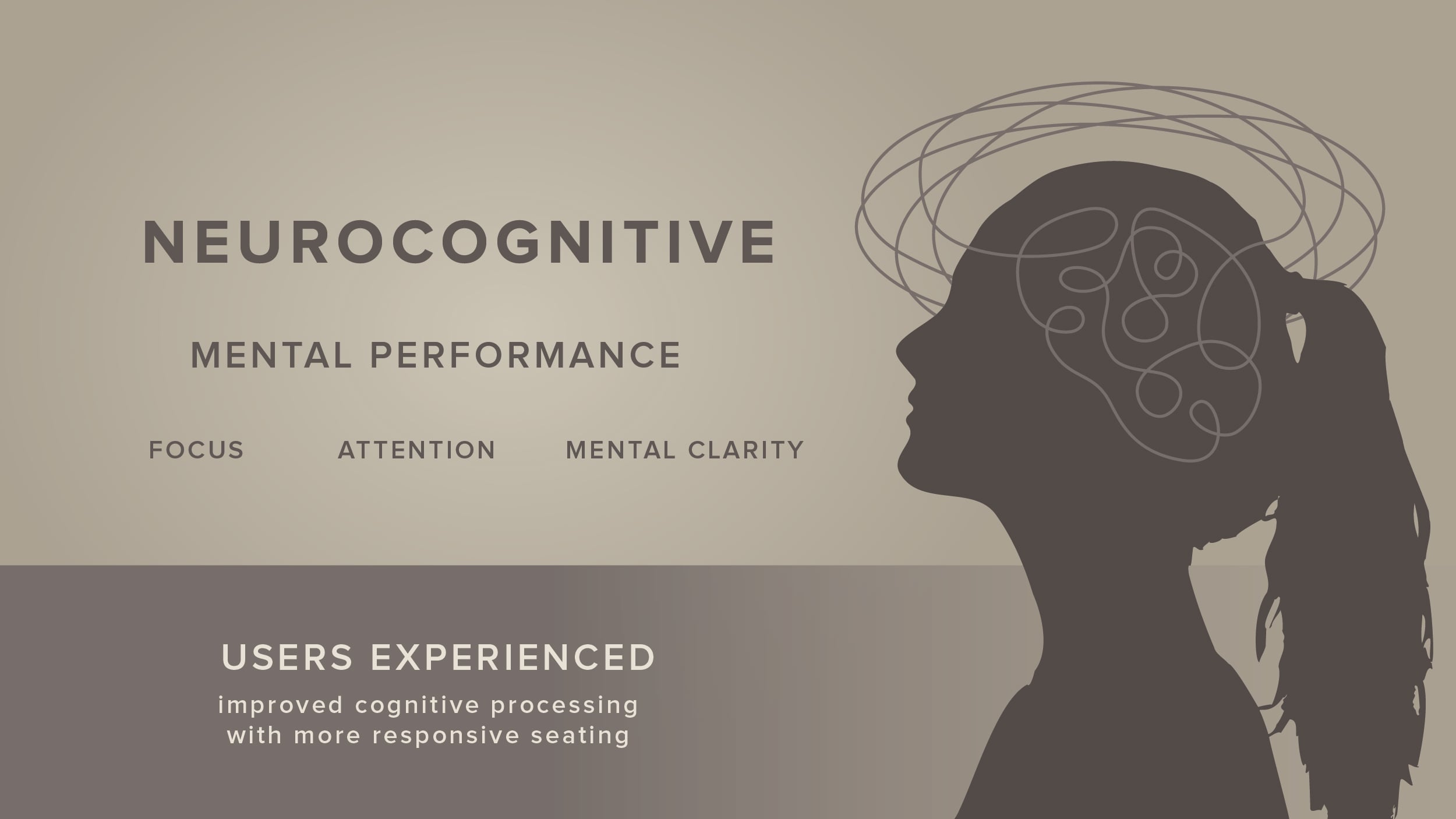
Building on DeJule’s insight, KI is leading the industry in exploring how movement can support not only comfort but also human performance. In preliminary research involving a four-hour work session study, participants seated in a chair built with Cognetic Technology experienced improved cognitive processing and cognitive performance during seated work,1 along with a reduction in anxiety of up to 30%.2 Because Cognetic Technology's motion counteracts the effects of prolonged sitting, participants also experienced reduced stiffness, pain, and discomfort.3
The goal isn't to create one perfect posture. It's to create a seating experience that works with the body instead of asking the body to work around the chair. That distinction may seem subtle, but it represents a meaningful shift in how we think about comfort, engagement, and ultimately human performance.
The Future of Seating is Movement
As our understanding of the human body continues to evolve, so should our expectations for the environments we create. Discomfort has become so common that many of us barely notice it anymore. We've accepted stiffness, constant repositioning, and the urge to stand up as unavoidable parts of sitting. But what if they aren’t?
The future of seating won't be defined by helping people remain perfectly still. It will be defined by seating that works with people instead of asking people to work around it.
Likewise, designing for human performance doesn't begin with asking people to sit differently. It begins with designing for how people naturally move.
Continue the conversation about how people sit, move, and work by sharing this blog post with your network on LinkedIn and Facebook.
Research References
1 Third-party four-hour study; Test of Information Processing Skills (TIPS); vs. traditional seating, 2025
2 Third-party four-hour study; Beck Anxiety Inventory; vs. traditional seating, 2025
3 Third-party four-hour study; McGill Pain Questionnaire 2 (SF-MPQ-2); vs. traditional seating, 2025