- What's New
- Pricing & Purchasing
- Lead Times
- Literature & Samples
- Services & Warranties
- Careers
- Find a Rep
Explore This Section
KI In The News
The Future of Sitting Isn't Still
Insight on Innovation
June 1, 2026
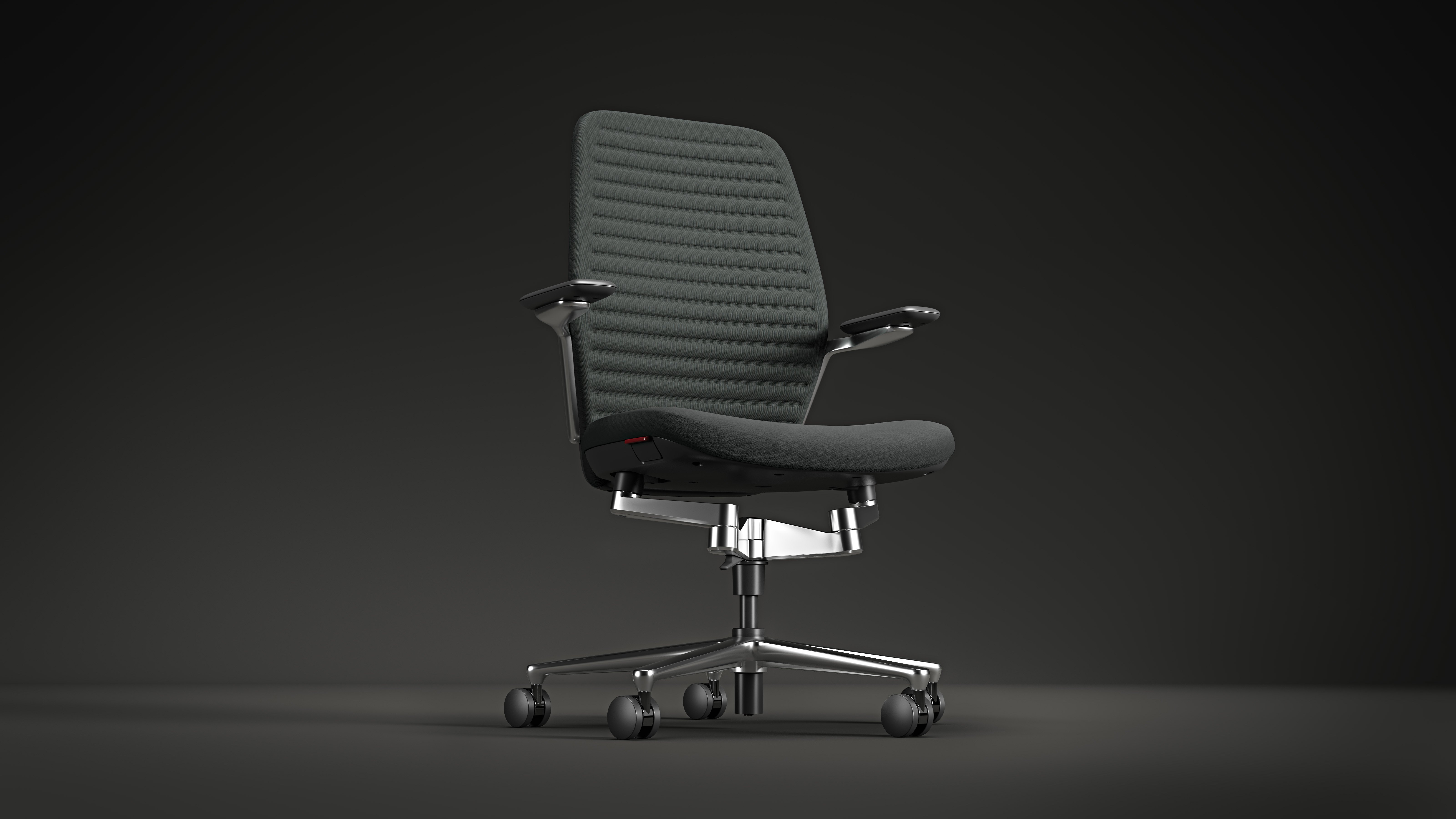
How a Green Bay company is rethinking movement, focus, and human performance at work
For decades, most people have accepted an uncomfortable reality without questioning it: sitting is tiring.
Not obviously tiring, perhaps. But subtly. Quietly. The stiff back at the end of a workday. The constant shifting in a chair during a long meeting. The mental fatigue that seems to arrive alongside physical discomfort after hours spent at a desk.
Over time, that discomfort became normalized — something people simply learned to manage.
At KI, the Green Bay-based furniture manufacturer known for its human-centered approach to workplace and educational environments, leaders began asking different questions:
What if sitting didn’t require so much effort in the first place? What if sitting wasn’t still?
These questions became the foundation for Cognetic Technology™, a patented seating innovation designed to work with the body’s natural movement rather than against it. But the story behind the technology is not simply about creating a new chair. It is about rethinking the relationship between movement, comfort, focus, and human performance in the modern workplace.
And in many ways, the story began with a deeply personal experience.
Cognetic Technology was invented by industrial designer Aaron DeJule, whose perspective on seating changed dramatically after a serious car accident made sitting for extended periods painful and difficult. Like many people, DeJule discovered that even highly adjustable chairs often failed to solve the underlying problem. They still required the body to adapt to the chair rather than allowing the chair to move naturally with the body.
That experience led him to a deceptively simple idea: What if seating responded to people instead of forcing people to respond to seating?
Years of experimentation followed. Eventually, DeJule uncovered a breakthrough insight rooted not in rigid posture or complicated adjustment systems, but in movement itself. The body naturally seeks balance through constant micro-movements — subtle shifts that happen almost unconsciously throughout the day. Traditional seating often restricts those movements. Cognetic Technology was designed to support them.
The result is a seating experience centered on continuous balance, natural motion, and what KI describes as a new state of flow. Instead of relying on a series of levers and mechanisms to manage discomfort, the technology responds to the body through gravity-powered, multi-axis movement designed to feel intuitive and effortless.
For KI, the partnership with DeJule represented a natural extension of the company’s longstanding design philosophy.
Over the years, KI has consistently explored how movement influences learning, engagement, and performance. From active classroom solutions like Cogni® and Ruckus® to adaptive lounge concepts such as Sway®, MyWay®, and Clamber®, the company has built a reputation around creating solutions that work with human behavior.
Cognetic Technology became the most ambitious expression of that philosophy to date.
KI believes the technology represents something larger than another ergonomic feature or adjustment lever. It is intended to be a fundamentally different sitting experience and a platform for future innovation.
That distinction matters because conversations around workplace wellness and performance are evolving rapidly. As work becomes increasingly screen-based and cognitively demanding, organizations are paying closer attention to how physical environments influence focus, creativity, stress, and overall well-being.
Innovation today is no longer limited to software or automation. Increasingly, companies are recognizing that human performance is shaped by the environments people inhabit every day.
KI believes movement plays a critical role in that equation.
Rather than treating sitting as a static activity, Cognetic Technology was designed around the idea that the body performs best when movement is supported, not restricted. Early research and testing of the technology indicated improved comfort, reduced muscle exertion, and self-reported reductions in anxiety during extended sitting periods. Preliminary findings also suggested potential benefits related to focus and cognitive ease.
For many people, the impact is felt more immediately than measured.
One of the most common reactions from early users was remarkably simple: “I didn’t realize how uncomfortable I was until I sat in this chair.”
That realization became central to the story KI wanted to tell.
The company’s messaging around Cognetic Technology centers on a phrase that feels both provocative and surprisingly relatable: We have all grown comfortable with being uncomfortable.
For KI, that idea extends far beyond seating. It reflects a broader belief that meaningful innovation often begins by questioning assumptions people no longer notice.
Why do workplaces still prioritize stillness when the human body is designed for movement? Why has discomfort become accepted as part of productivity? What if better performance starts by reducing physical and cognitive friction?
Those questions are increasingly relevant for businesses navigating the future of work.
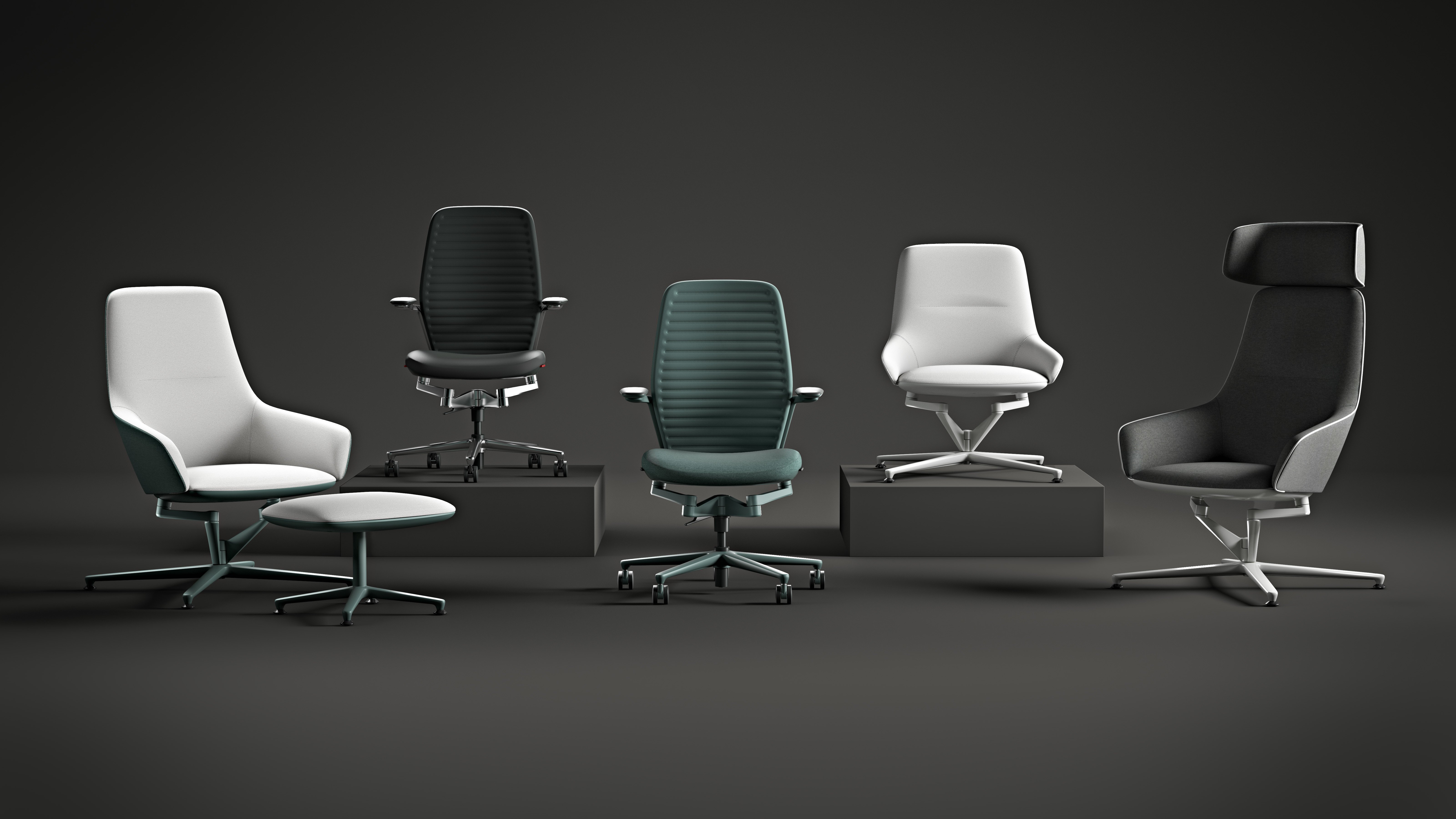
This summer, KI introduces Cognetic Technology, available exclusively on the Kiaura Collection™ designed by Aaron DeJule, during Fulton Market Design Days in Chicago, alongside the opening of the company’s new Inspiration Center in the city’s rapidly growing design district. The transition signals KI’s continued evolution from a respected Midwest manufacturer into a globally relevant voice in workplace innovation and human-centered design.
That evolution carries significance for Northeast Wisconsin as well.
For generations, the region has been known for manufacturing excellence, craftsmanship, and industrial innovation. Today, companies like KI are demonstrating that innovation in the Midwest can also lead conversations around research, design thinking, human performance, and the future of work on an international stage.
Cognetic Technology is a powerful example of that shift.
Conceived through one designer’s personal experience, developed through years of experimentation, and brought to life through a partnership rooted in shared values, the technology reflects what can happen when organizations remain willing to challenge convention.
In a world increasingly shaped by speed, screens, and constant demands on attention, KI believes the future of sitting — and perhaps the future of work itself — should feel more natural, balanced, and human.
After all, the body was never designed to sit perfectly still.
It was designed to move. To rebalance. To flow.
So don’t sit still.
Flow.