Explore key takeaways from HCD Expo 2026 and how technology, flexible planning, human-centered design, and evolving care models may shape healthcare spaces.
Healthcare is changing, and so are the expectations of the spaces where care happens. At Healthcare Design Expo 2026, conversations about artificial intelligence, emerging technologies, and evolving care models raised an important question: How do we plan today for the healthcare spaces that support tomorrow's care models?
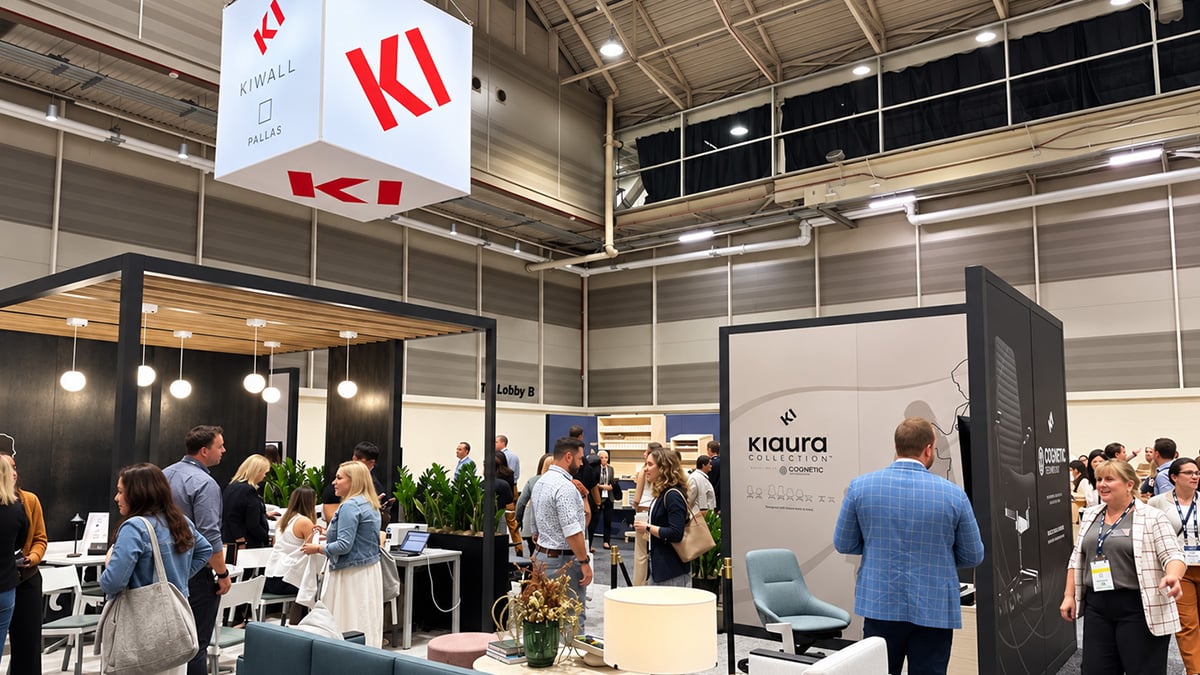
In all the discussion of what comes next, it is clear that the future of healthcare design must begin with people. That belief shaped our booth in New Orleans, where KI, KI Wall, and Pallas Textiles showcased Design for Every Care Journey through furniture, adaptable walls, and high-performance healthcare textiles.
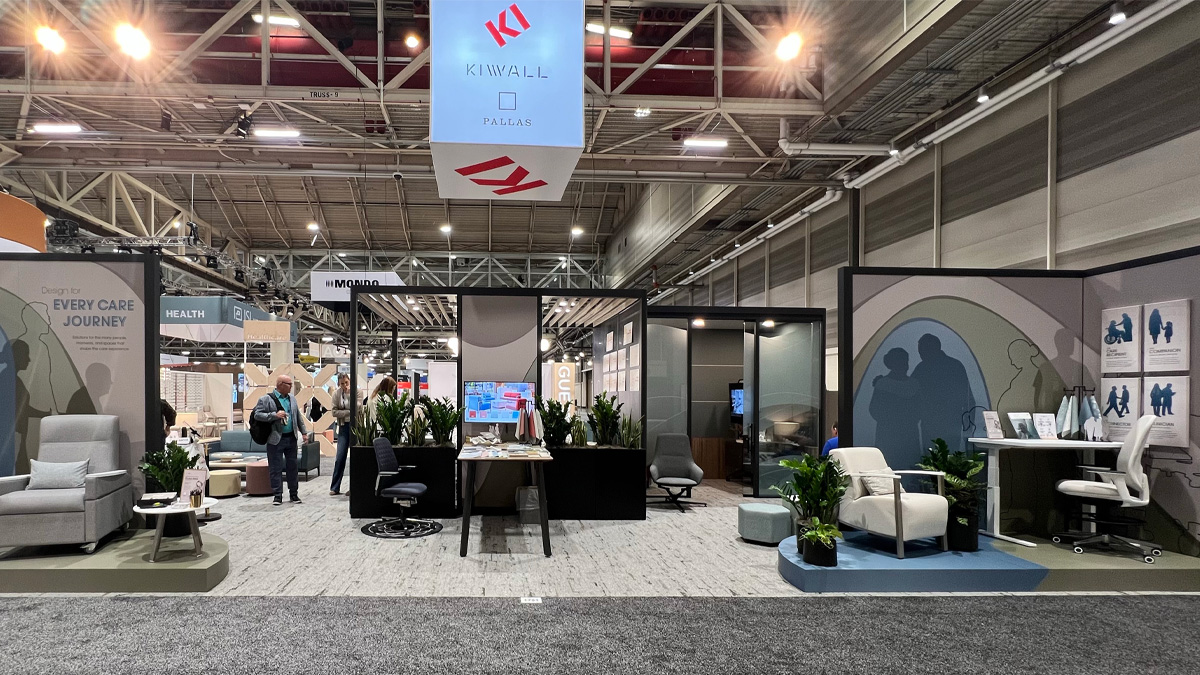
KI, KI Wall, and Pallas Textiles highlighted a theme of Every Care Journey at HCD Expo 2026.
Looking back on this year's event, seven themes stand out with important implications for how healthcare leaders and designers plan for the future.
Theme 1: Technology Is Advancing Faster Than Healthcare Can Plan
The strongest message from HCD Expo was the widening gap between the pace of technological innovation and the pace of healthcare planning, construction, regulation, and capital investment.
AI, digital twins, predictive analytics, genomics, autonomous systems, and remote monitoring are advancing rapidly while hospitals are still planned, funded, and built on five- to 10-year timelines. This creates the risk that new facilities may no longer align with care delivery models by the time they open. Adaptable architectural wall systems can help healthcare organizations reconfigure spaces as care delivery needs evolve.
Designing for adaptability is becoming a strategic requirement rather than a design preference. The healthcare facility of the future isn't one optimized for today's care model, but one that can continuously adapt as care evolves.

As flexibility in healthcare spaces becomes more of a requirement, KI Wall solutions are an ideal solution for maximum adaptability with minimal disruption.
Theme 2: AI Will Reshape Healthcare More Than Most Organizations Are Prepared For
Artificial intelligence was embedded in nearly every technology discussion at HCD Expo with applications ranging from clinical decision support, predictive analytics, sepsis detection, behavioral health interventions, workflow automation, staffing optimization, digital twins, clinical trial acceleration, and personalized treatment planning.
As AI advances, healthcare organizations must consider how evolving technologies will influence their spaces, workflows, staffing models, and care delivery systems. Its capabilities are developing quickly, and the implications extend well beyond the technology itself.
Throughout these conversations, one message remained clear: Technology should strengthen, not replace, the clinical judgment and empathy that keep people at the center of care.

Emerging technologies such as AI in healthcare need to be designed for strengthening, not replacing, care models.
Theme 3: The Expanding Role of Preventive Design
Respite and restorative spaces have an important place in healthcare design. But what if we could reduce the need for them?
That question prompted broader conversations about designing environments that helped prevent unnecessary stress rather than focusing on recovery and respite. Clear wayfinding, fewer obstacles, reduced cognitive burden, and environments designed to support how people naturally navigate, connect, and work can ease fatigue and support decision-making, often without people consciously recognizing why.
Predictive design may ultimately have a greater impact than restorative design, although both have a role to play. Inclusive, multipurpose respite spaces remain essential, particularly for caregivers. Providing comfort, choice, and flexibility throughout healthcare environments can also help address diverse needs before stress occurs.


Environments designed for how people naturally navigate can support predictive design to amplify care.
Theme 4: Neuroinclusive Design Is About Human Variability
Conversations about neuroinclusive design extended beyond neurodiversity to recognize something fundamental: Everyone processes information and experiences their surroundings differently.
Lighting, acoustics, wayfinding, spatial organization, privacy, and personal control all influence how people feel and navigate healthcare environments. These considerations can shape a person's sense of safety and comfort, whether they're receiving care, supporting a loved one, or working in the space.
Designing for human variability means recognizing those differences from the beginning and creating environments that support a wider range of needs and experiences.

Spaces designed for variability can support the different ways people process information and experiences.
Theme 5: Acute Care Is Shrinking While Access Expands
Healthcare is increasingly moving beyond the walls of the traditional hospital. Telemedicine, remote monitoring, hospital-at-home programs, and the shift toward ambulatory and community-based care are reshaping where and how services are delivered. As these models evolve, future hospitals may become smaller while serving broader populations through connected, distributed care networks.
For healthcare leaders and designers, the shift is from building bigger hospitals to planning smarter ecosystems of care that can support changing needs across multiple settings.

Smarter ecosystems of care can support needs as they evolve across settings.
Theme 6: Drones and Autonomous Logistics May Transform Healthcare Campus Planning
The future of healthcare transportation could look very different from what we know today.
Discussions at HCD Expo explored how drone networks might transport laboratory samples, blood products, medications, and emergency supplies, connecting healthcare campuses through broader autonomous delivery systems. Electric vertical takeoff and landing aircraft (eVTOLs) could also play a role in patient transport, emergency response, specialist access, and regional care delivery.
Some planners even suggest that today's loading dock could become tomorrow's vertiport.
While these possibilities are still emerging, they raise important considerations for long-term healthcare campus planning. Aircraft landing infrastructure, charging systems, autonomous logistics integration, and new circulation patterns could all influence how facilities are designed and connected. For healthcare leaders, now is the time to consider how transportation innovation might shape future master planning decisions.
These advances could also change the physical footprint of hospitals. With more efficient delivery networks, departments such as sterile processing, materials management, pharmacies, and laboratories could operate in lower-cost facilities outside the main hospital. Supplies, specimens, and medications could then be delivered as needed through a just-in-time model, reducing the space required on campus and giving healthcare systems more flexibility in future planning.


Spaces designed for flexibility and efficiency allow for emerging technologies like autonomous delivery systems to enhance the needs of care.
Theme 7: Omni-Hospitality Is Becoming a Strategic Design Priority
Every space is a hospitality space, and every interaction is an opportunity to care.
That idea was central to conversations about omni-hospitality, a concept that extends well beyond aesthetics to encompass the full healthcare experience. From digital interactions and clinical encounters to the physical environments that support patients, families, and staff, each touchpoint shapes how people experience care. Even the way healthcare environments support seated care can influence comfort, communication, and connection.
As technology becomes increasingly integrated into healthcare, the human experience may become one of the most meaningful ways organizations distinguish themselves.


Every space and interaction is an opportunity to differentiate with better care.
The Future is Taking Shape Today
Healthcare Design Expo 2026 offered a glimpse into a future that's arriving faster than many of us anticipated. We may not know exactly how technology, care delivery, or healthcare facilities will evolve, but the conversations in New Orleans reinforced how much the spaces we create today will matter tomorrow.
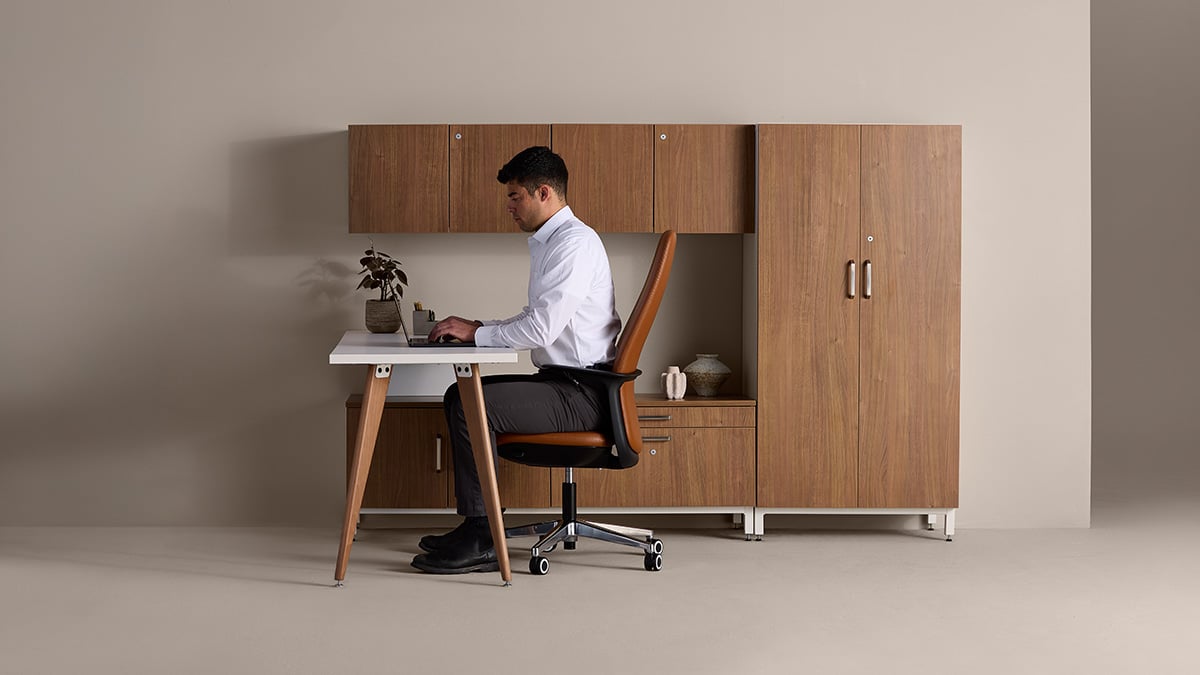
As our understanding of ergonomics and human performance continues to evolve, designing for movement, comfort, and individual needs will remain essential to creating healthcare environments that support people. Likewise, the choices healthcare leaders and designers make now will shape how people experience care for years to come.
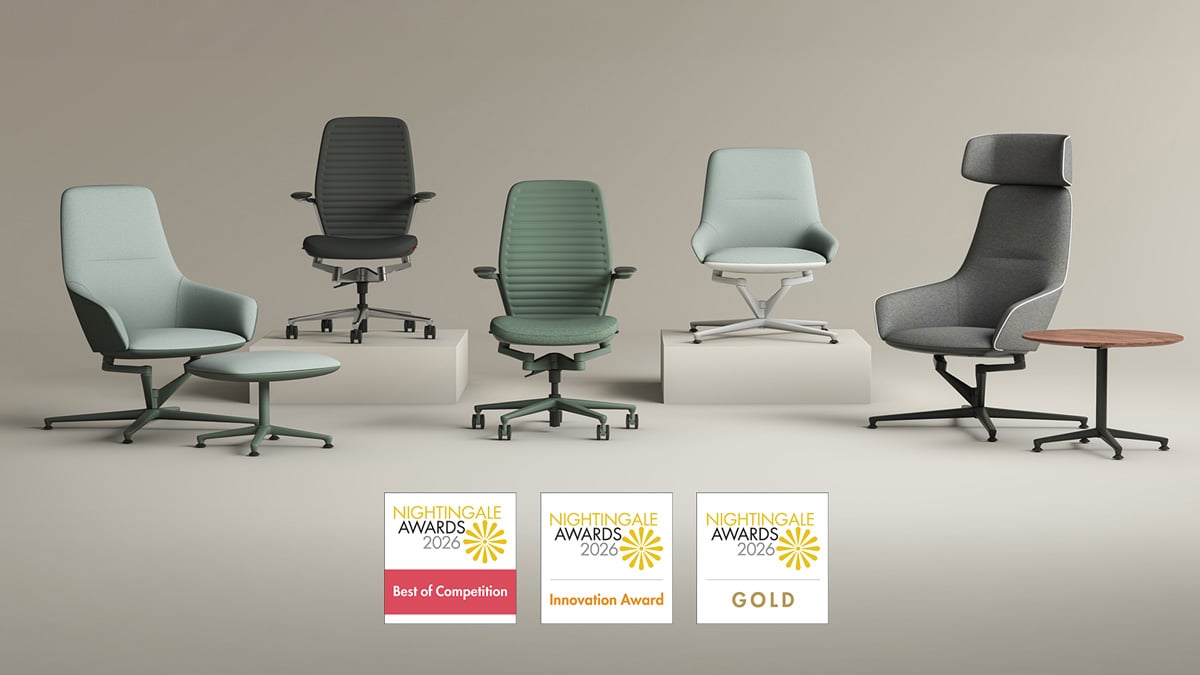
Revisit how KI, KI Wall, and Pallas Textiles brought movement, adaptability, and restoration together to support the people who experience and deliver care. Discover more from our booth, including a closer look at the award-winning technology behind the Kiaura Collection™ and registration for our upcoming virtual Performance Paradox CEU on movement and human performance.